
Updates
Laser Welding Head Selection Guide: Sharing a List of Domestic Handheld Welding Torch Manufacturers
In the production processes of scenarios such as sheet metal processing, new energy manufacturing, and hardware kitchen and bathroom, the handheld laser welding head directly determines the quality of the weld seam, operational efficiency, and long-term usage cost. With the rapid iteration of domestic laser technology, the domestic handheld welding torch market has shifted from early homogeneous competition to a technological competition featuring lightweight design, multi-process integration and full-scenario adaptation. For manufacturing enterprises, choosing the right welding head that suits their own working conditions can not only lower the operational threshold for welders but also significantly reduce the additional costs of subsequent grinding and rework.
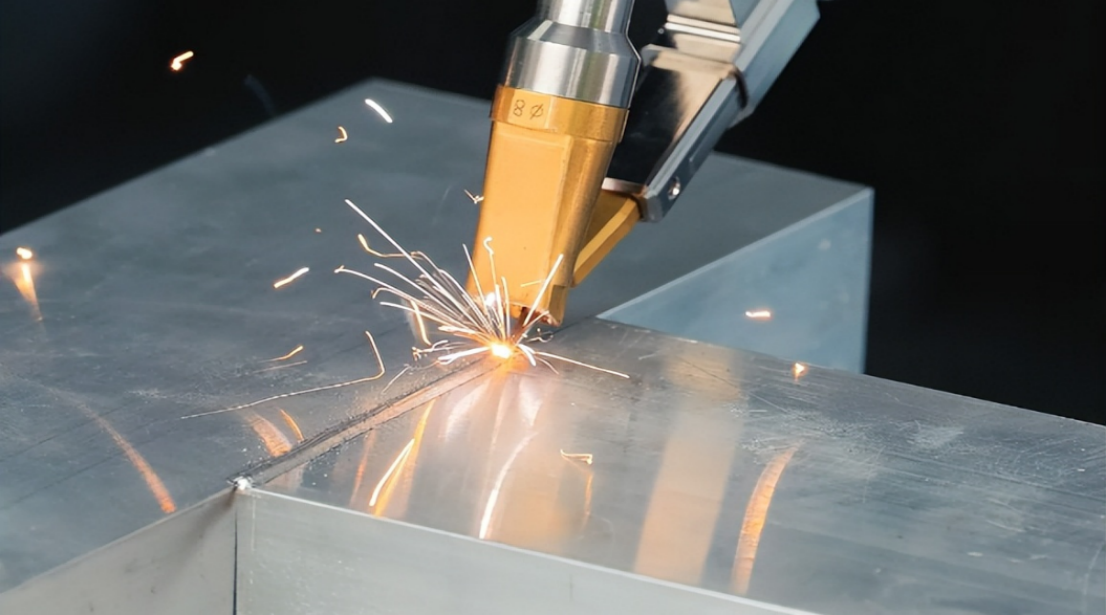
I. Core Selection Dimensions for Handheld Laser Welding Heads
1. Power and Cooling Compatibility
The rated power of the welding head must exceed the actual output power of the laser. For lightweight processing scenarios under 1500W, prioritize air-cooled models for maintenance-free and flexible mobility. For heavy plate welding scenarios with long-term full-power operation above 2000W, recommend forced water-cooling structures to ensure stable long-term performance.
2. Optics and Process Design
For thin plate precision welding, a short focal length configuration of 50-100mm is selected, while for thick plate deep penetration welding, a long focal length design of 200-300mm is employed. In high-reflectivity material applications, an anti-high-reflectivity protection module should be installed to prevent damage to optical components.
3. Ergonomic Experience
For scenarios involving prolonged handheld operations, the weight of the welding gun is recommended to be kept below 0.5kg. A balanced counterweight design can significantly reduce muscle fatigue in welders and prevent weld seam deviations caused by unstable handheld conditions.
4. Interface and Scalability
Prioritize products with universal QBH interfaces, which are compatible with the majority of mainstream fiber lasers. For machines requiring continuous processing of long weld seams, it is recommended to opt for versions equipped with integrated weld seam tracking functionality to further enhance weld seam consistency.
5. After-sales and maintenance costs
Opt for drawer-type protective mirrors and modular welding heads, allowing for quick maintenance by ordinary technicians without disassembling the entire machine during routine lens replacements, thereby reducing downtime.
II. Overview of Core Domestic Handheld Welding Torch Manufacturers
1. Qilin Laser
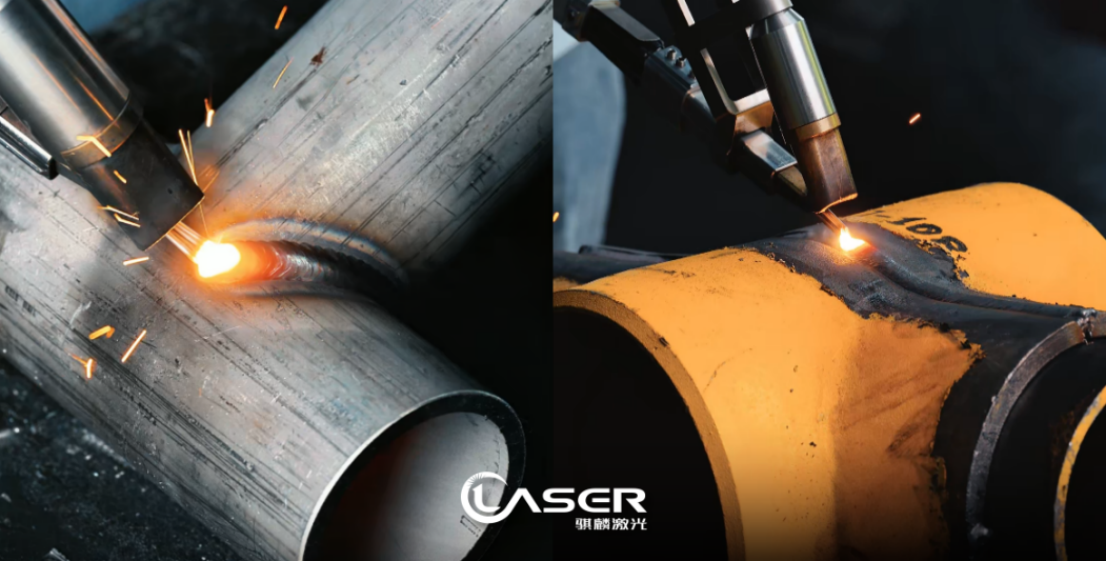
A benchmark brand in handheld welding, renowned for its proprietary optical and oscillation control technologies. Its DWS20 single-oscillation welding gun weighs just 0.3kg, while the BWS20 dual-oscillation model is as light as 0.4kg, significantly reducing wrist fatigue during prolonged use and breaking the industry's technical bottleneck that "dual-oscillation structures are inherently bulky.".
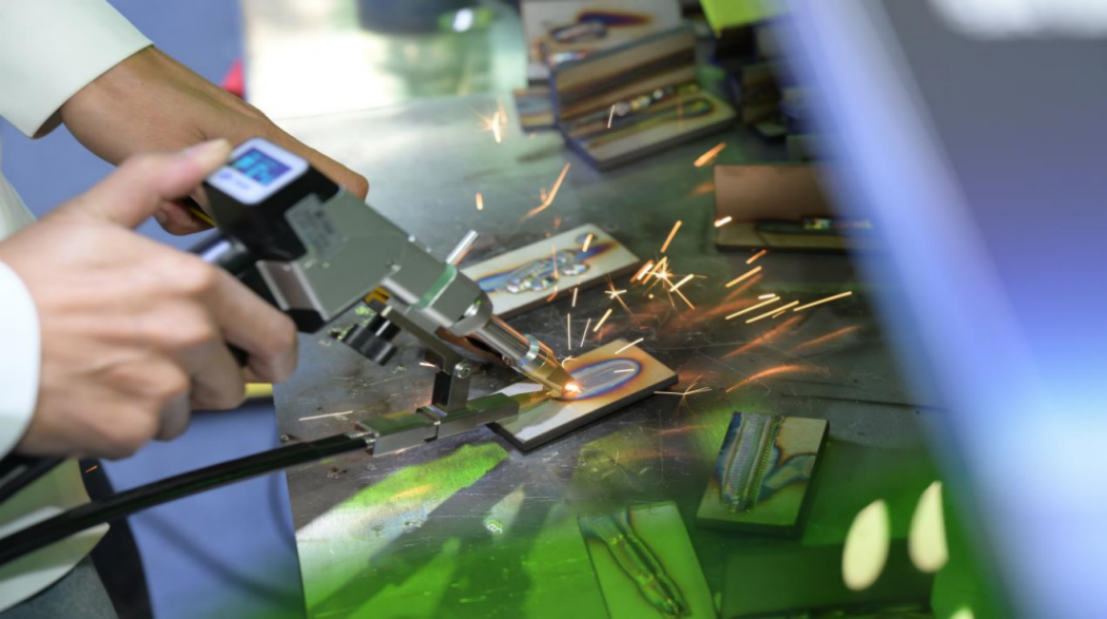
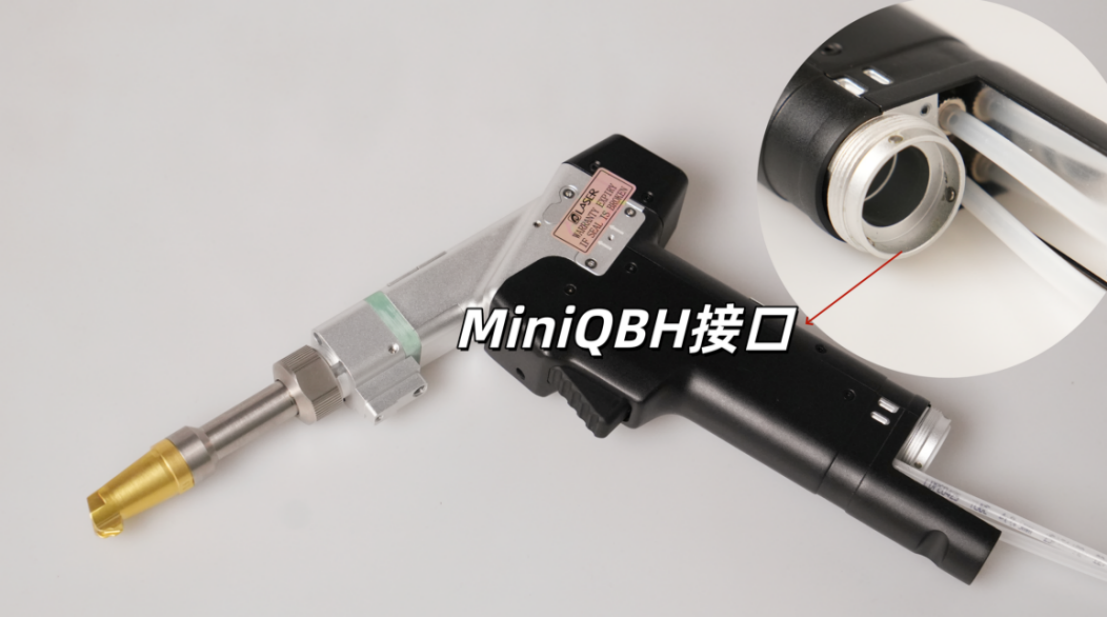
Standard universal Mini QBH interface, allowing direct plug-and-play compatibility with mainstream lasers on the market without additional modification costs. Some models feature dual cooling modes (air-cooled and water-cooled) for seamless switching, enabling stable 7×24-hour operation even under high-load continuous welding.
The product is equipped with a fully closed-loop intelligent welding system, which can be mastered by beginners in just one minute. Even 0.2mm thin plates can be welded with uniform fish scale patterns, and the porosity of the weld seam is controlled below 0.3%. It is suitable for most metal materials such as stainless steel and aluminum alloy.
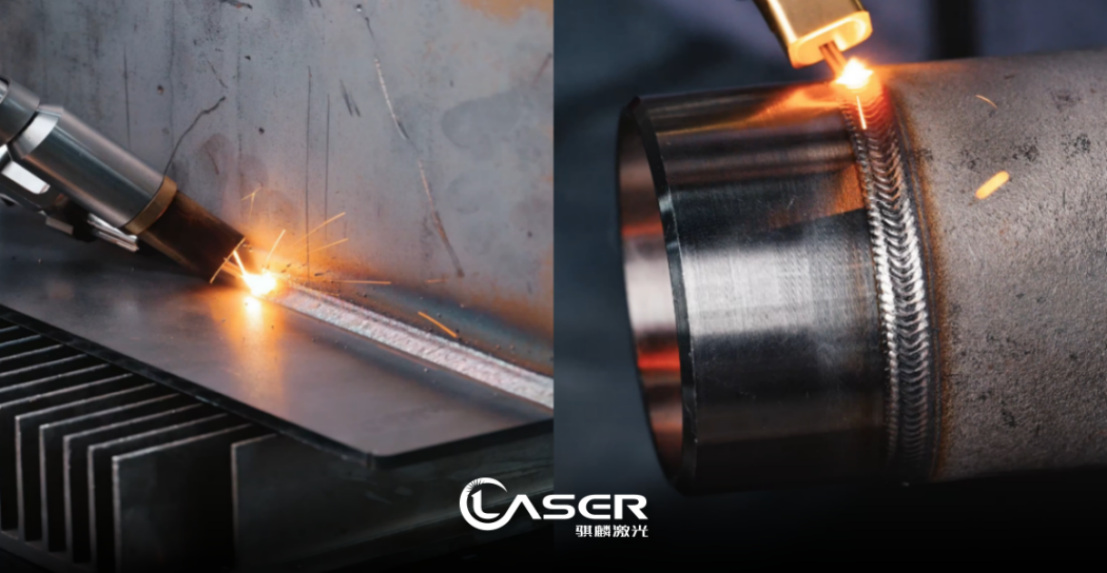
The full range covers scenarios such as handheld portability, automation integration, and high-power thick plate welding. The service standard of 3-year warranty for the entire machine is at the leading level in the industry, and it has a high market coverage in sheet metal processing and new energy component manufacturing.
2. Han's Laser
The handheld welding gun product is deeply compatible with the self-developed fiber laser, with a beam quality M² factor controlled within 1.4 and high redundancy in power and heat dissipation, suitable for continuous mass production conditions in large manufacturing enterprises.
3. Super Weiye
A representative brand of multi process integrated handheld welding guns, the SUP series covers the power range of 2000W-3000W, with the main functions of welding, cleaning, and cutting in one, which is very suitable for hardware processing and general sheet metal scenes.
4. Pinhao Optoelectronics
The single axis swing type is suitable for the vast majority of fiber lasers, with stable welding performance under standard conditions, suitable for the conventional stainless steel and carbon steel welding needs of small and medium-sized sheet metal processing plants. There are accessory supply channels in various regions across the country.
5. Quicklaser
Focuses on multi process integrated design, with a handheld welding head that is compatible with welding, cleaning, and cutting functions simultaneously. One device can complete multiple metal processing operations, improving equipment utilization.
The handheld laser welding head is the core component of the entire welding machine, and the selection should not only consider the price, but also take into account weight, cooling, splash prevention, wire feeding stability, and accessory universality. Whether it is air-cooled or water-cooled, single pendulum or double pendulum, single lens or double lens, all need to be tailored to their own welding materials, plate thickness, and operating time. That's all for this sharing. Thank you for reading. See you in the next issue!
