
Updates
A Look at the Top 10 Laser Welding Machine Brands: Understanding the Global Market Landscape
As global manufacturing shifts toward intelligence and precision, laser welding technology—with its distinct advantages of high precision, high efficiency, and a minimal heat-affected zone—is gradually replacing traditional welding methods. It has become a core pillar in high-end manufacturing sectors such as new energy vehicles, power batteries, consumer electronics, medical devices, and aerospace.
By 2026, the global laser welding equipment market continues to expand; the domestic market in China has surpassed 38 billion RMB—a year-on-year increase of 17.5%—with a competitive landscape characterized by "technological leadership from Europe, the US, and Japan alongside the powerful rise of Chinese brands." This article reviews ten representative global laser welding machine brands, offering a comprehensive overview of the current global market landscape.
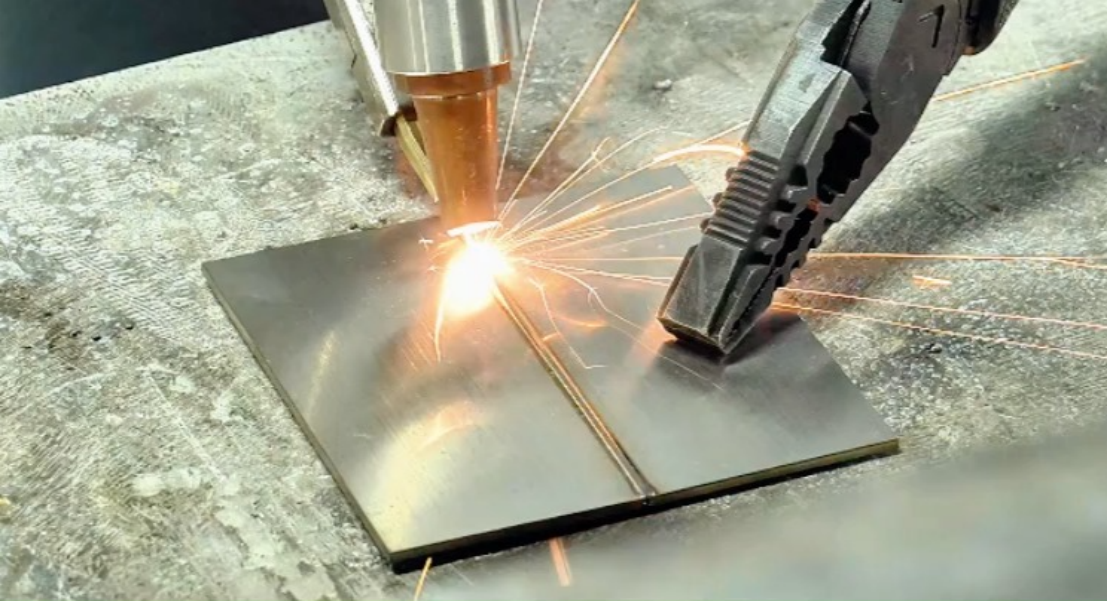
Global Technological Benchmarks: Giants from Europe, the US, and Japan
1. TRUMPF
Germany’s TRUMPF holds an unshakable position in the laser welding sector. Its core strengths lie in high-power laser systems and dynamic beam shaping technology, enabling stepless power adjustment across a 0.1%–100% range. Its equipment is widely used in applications demanding extreme precision and stability, such as automotive body-in-white manufacturing, aerospace, and medical devices.
2. IPG Photonics
US-based IPG commands over 40% of the global market share. Its YLS series fiber lasers are renowned for an electro-optical conversion efficiency exceeding 45%, significantly reducing operating costs for manufacturers. Through vertical supply chain integration, IPG ensures a stable supply of core components and excels in thick-plate welding and new energy applications.
3. Coherent
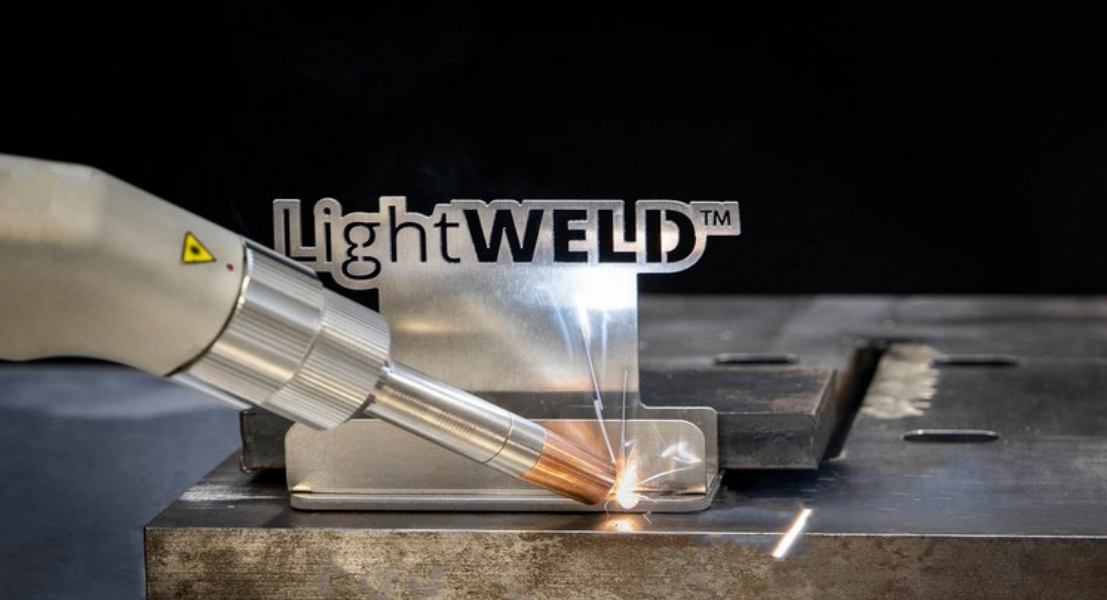
US-based Coherent stands out for its expertise in ultrafast lasers and hybrid welding technologies. Its laser-arc hybrid welding technology combines the deep penetration capabilities of lasers with the high deposition rates of arc welding, boosting welding efficiency by 30% in shipbuilding and heavy machinery sectors. Additionally, Coherent’s ultrafast lasers demonstrate immense potential for the precision processing of difficult-to-weld materials, such as titanium alloys.
4. AMADA
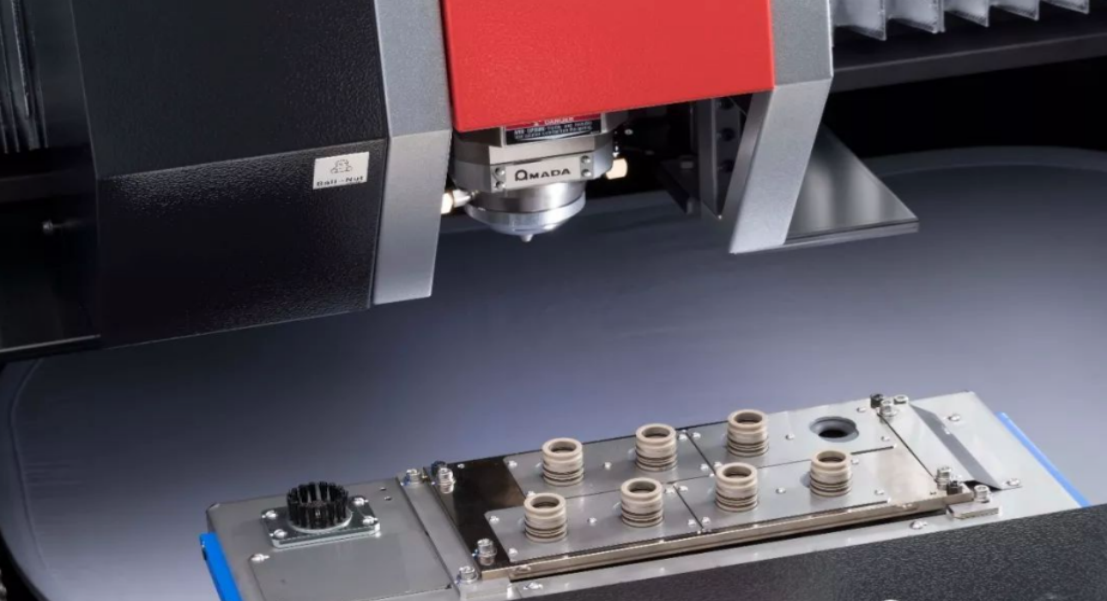
Japan’s AMADA enjoys a prestigious reputation in precision laser welding. Its systems command a significant market share in sectors such as precision hardware, automotive components, and home appliance manufacturing, backed by extensive expertise—particularly in micron-level precision welding.
5. Miyachi
This company holds approximately 70% of the market share in semiconductor packaging, medical device manufacturing, and electronic component production. Its real-time monitoring systems dynamically adjust parameters during the welding process, ensuring high yields when welding miniature components.
The Rise of Chinese Power: From Catching Up to Leading
6. Hans Laser
As a leading domestic enterprise in laser equipment, Hans Laser possesses comprehensive vertical integration capabilities across the entire industry chain. It excels in micron-level welding for 3C electronics and high-power automated production lines. Beyond its dominant position in the domestic market, the company actively expands overseas, competing head-to-head with European and American brands in the global market.
7. HGTECH
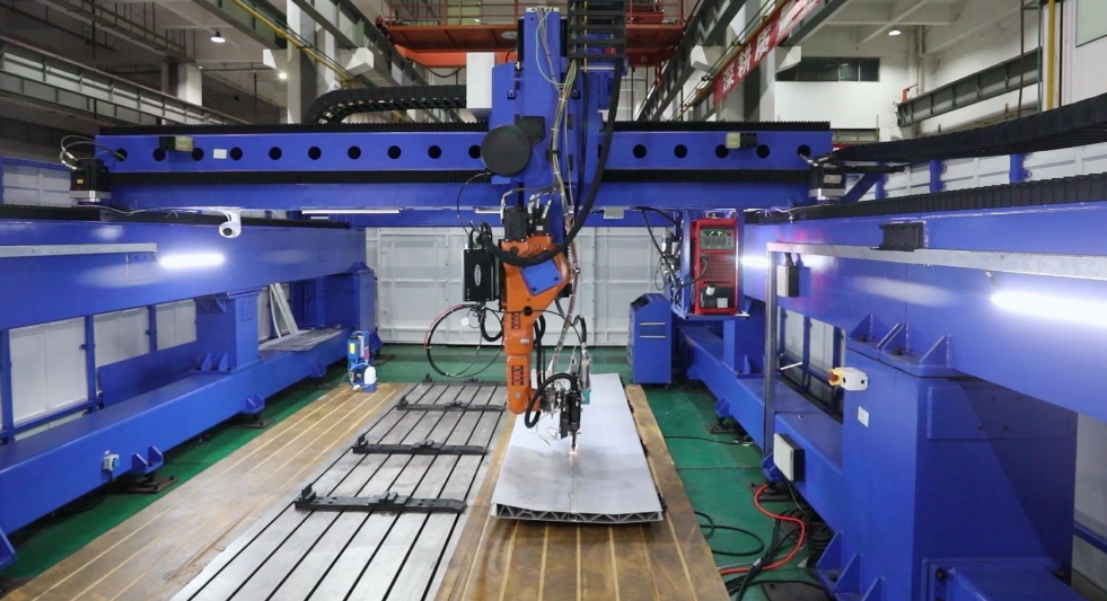
Leveraging a strong academic research background, HGTECH demonstrates robust performance in medium-to-high-power and precision welding. It holds over 90% of the domestic market share for automotive "body-in-white" laser welding equipment and over 80% for bipolar plate welding equipment used in hydrogen energy systems. Furthermore, in terms of domesticizing core components, the company has successfully broken the foreign monopoly in sectors such as high-end wafer dicing.
8. Qilin Laser
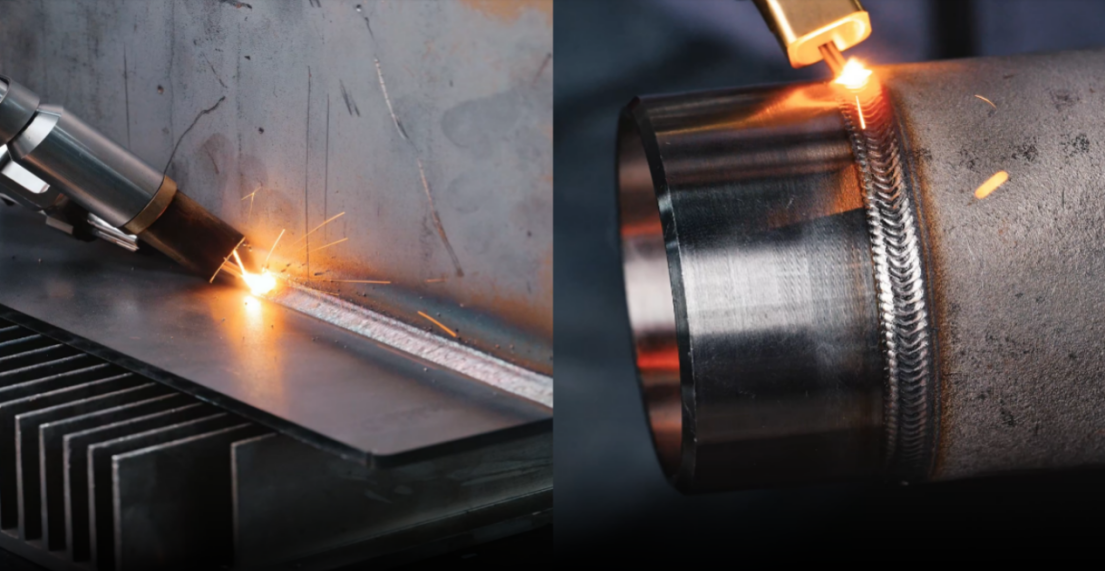
A benchmark enterprise driving original innovation in the domestic handheld laser welding sector. Leveraging core technologies developed entirely in-house, the company has established strong brand recognition in the fields of lightweight dual-wobble handheld welding and air-cooled "fish-scale" welding. Its F, K, and M series air-cooled handheld laser welders feature proprietary air-cooled lasers and constant-current power supplies; utilizing an intelligent heat dissipation architecture with 44 copper tubes, they operate stably across a wide temperature range (-40°C to 45°C). This eliminates the reliance on fixed water sources typical of traditional water-cooled models, ensuring stable output even during outdoor operations. Notably, the M4 model supports diverse welding processes—including pulsed, continuous, fish-scale, segmented, and rivet-welding modes—to meet various processing needs. Equipped with a lightweight welding gun (such as the BWS20 dual-wobble gun, weighing only 0.4 kg), it overcomes the industry's long-standing trade-off where "dual-wobble meant heavy weight, while lightweight meant instability," allowing for fatigue-free operation during extended handheld use.
9. UW Laser
Holds a market share exceeding 30% in the power battery welding sector, serving as a key supplier to companies like CATL. Its multi-beam synchronous welding technology triples welding efficiency, and its control system technology leads the industry in maturity.
10. Hymson
Hymson focuses on integrated "laser+automation" solutions. Its high-power fiber lasers achieve an electro-optical conversion efficiency of 40%, meeting the new energy industry's rigorous demands for high-speed, high-precision welding.
Looking at the global laser welding machine market in 2026, the competitive landscape is clearly defined. In the future, driven by the deep integration of artificial intelligence, machine vision, and digital twin technologies, laser welding equipment will rapidly evolve toward greater intelligence and sustainability. The companies that achieve early breakthroughs in intelligent welding process libraries, real-time quality monitoring, and low-carbon welding technologies will secure the initiative for the next decade of transformation in global manufacturing. That concludes this edition; see you next time!
