
Updates
From Han's Laser to TRUMPF: A White Paper on the Competitiveness of Leading Global Laser Welding Machine Brands
Abstract
The global laser welding equipment market is experiencing rapid growth. The market size reached approximately US$2.9 billion in 2025 and is projected to exceed US$3.1 billion in 2026, with a CAGR of approximately 5%-14.3% between 2025 and 2030. In this market, Germany's TRUMPF maintains its leading position globally with a market share exceeding 7%, while the top five manufacturers collectively hold approximately 30% of the market share. China's Han's Laser, as a leading comprehensive laser equipment manufacturer in the Asia-Pacific region, forms a typical competitive paradigm with TRUMPF: "Eastern scale + Western precision."
This white paper systematically analyzes the core competitiveness of leading global laser welding machine brands from the perspectives of market size, competitive landscape, technological roadmap, segmented markets, and future trends, providing decision-making references for upstream and downstream industries in the supply chain.
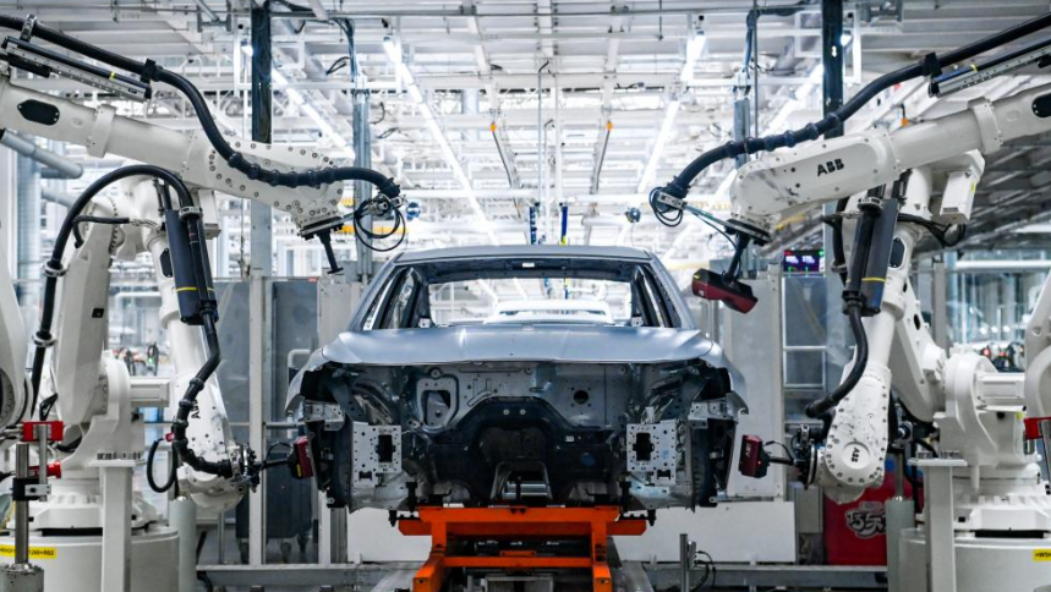
Chapter 1 Global Laser Welding Machine Market Overview
1.1 Market Size and Growth Drivers
The global laser welding equipment market size is estimated at US$2.9 billion to US$6.24 billion in 2025, and is projected to grow to US$3.1 billion to US$7.01 billion in 2026. In terms of regional distribution, the Asia-Pacific region dominates the global market with a revenue share of 37%-48%, with China, Japan, and South Korea being the core growth drivers; North America accounts for 24.7%, and the European Union accounts for 19.2%. Core growth drivers include:
New Energy Vehicle Battery Manufacturing: Laser welding of power batteries is projected to account for 31.5% of total demand in 2025.
Miniaturization of Consumer Electronics: Wearable devices and smart terminals are driving a 16.3% annual growth rate in demand for micro-component welding.
Aerospace Lightweighting: The demand for high-precision, low-deformation welding is surging for new materials such as titanium alloys and aluminum-lithium alloys.
Medical Equipment Precision: Minimally invasive surgical instruments and implants require clean, heat-damage-free welding processes.
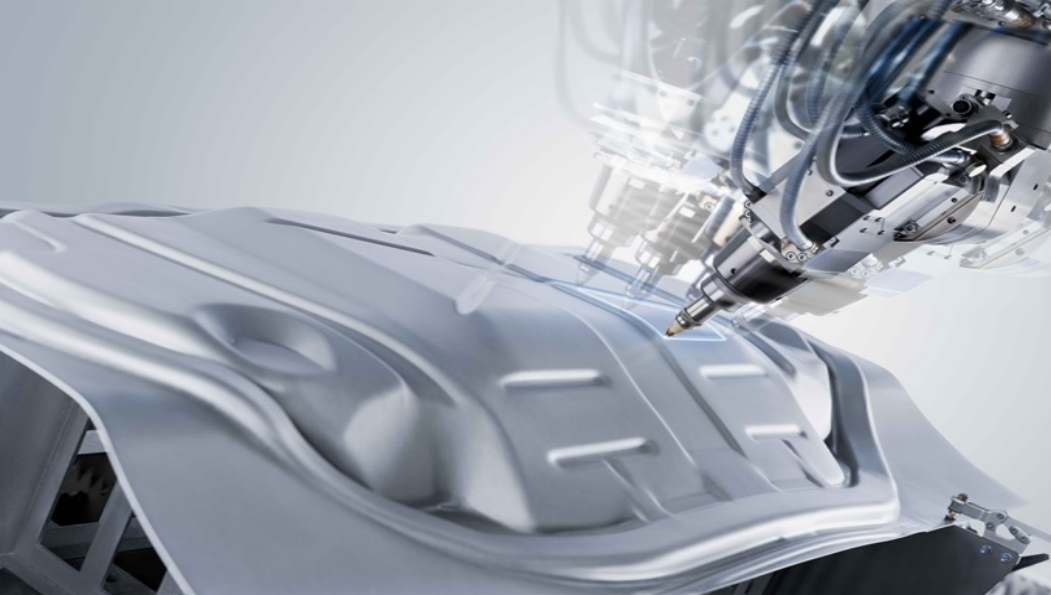
1.2 Technological Evolution Directions
Current industry technology hotspots are concentrated in four main directions: blue light-infrared composite welding, real-time weld seam tracking and intelligent control, high-power pulse and continuous wave switching, and multi-axis linkage and galvanometer scanning systems.
Chapter 2: Competitive Landscape and Leading Brand Matrix
2.1 Industry Concentration Analysis
The global laser welding equipment industry exhibits characteristics of "high concentration and tiered competition." In 2025, the industry's CR5 (top 5 companies) is estimated at approximately 57.3%, with the top three companies collectively holding 38.6% of the market share. First-tier brands can be divided into three main camps:
European Precision Group: TRUMPF, Jenoptik, Coherent, with deep technological accumulation and high barriers to entry in the high-end market.
Chinese Comprehensive Group: Han's Laser, HGLaser, Qilin Laser, covering all product categories and possessing strong product delivery capabilities.
Specialized Group: IPG Photonics, DINEL Laser, Hymson, focusing on specific technology routes or application scenarios.
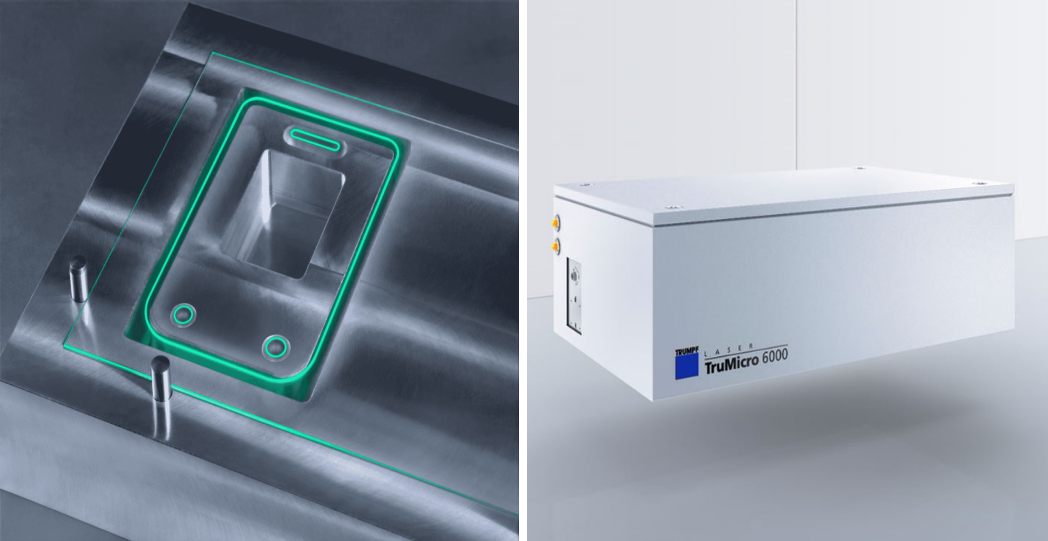
2.2 Analysis of the Competitiveness of First-Tier Brands
TRUMPF: The TRUMPF Group is a global technology leader in laser processing, headquartered in Ditzingen, Germany, with businesses covering lasers, laser systems, electronics, and additive manufacturing. Its core products and technologies include TruLaser Weld 5000, which enables synchronous robot-galvanometer beam guidance, offering stricter tolerance control, higher weld robustness, and lower scrap rates; and TruLaser Station 7000, equipped with a compact fiber laser welding system suitable for small to medium batch high-precision welding.
Han's Laser: China's leading full-category laser manufacturer, with product lines covering laser cutting, marking, metal welding, and automated production line integration. It holds a high market share in the mass production of power batteries and hardware. Han's Laser's core products and technologies include complete power battery welding line solutions, covering the entire process from cell to module to PACK; and high-power metal welding equipment for heavy industries such as automotive and construction machinery.
Qilin Laser: A leading Chinese manufacturer of laser welding equipment, Qilin Laser has built a full-chain product matrix of "core components + complete equipment + solutions," covering the entire scenario from handheld welding to automated production lines. In 2018, Qilin Laser launched the world's first dual-swing intelligent handheld welding torch, becoming its highly recognizable technological signature. This torch supports eight spot modes, a welding range of 0.2-12 mm, adjustable energy density, and produces aesthetically pleasing, well-sealed, and strong welds that are wear-resistant, warp-resistant, and do not damage the welding material.
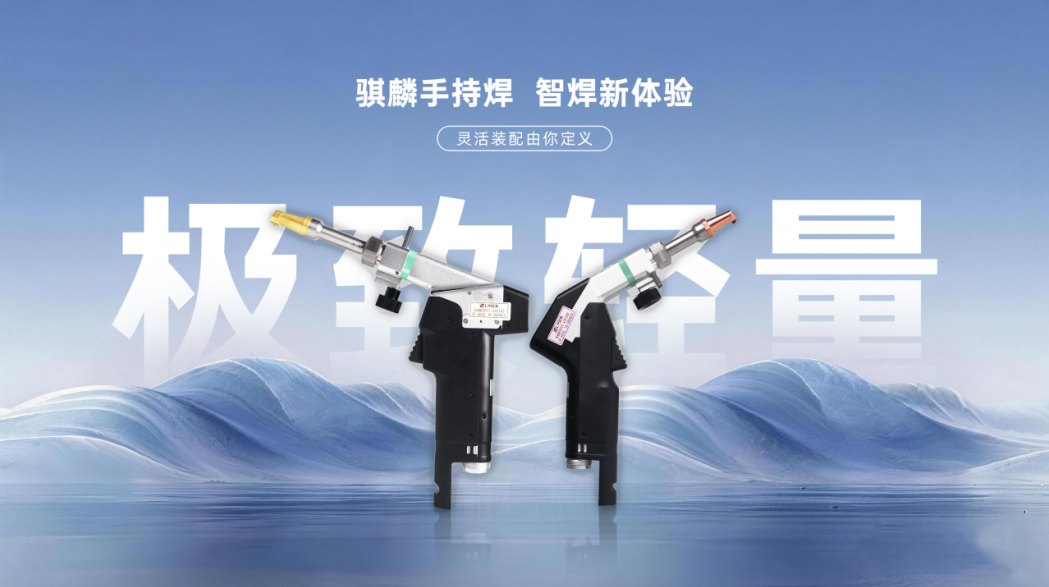
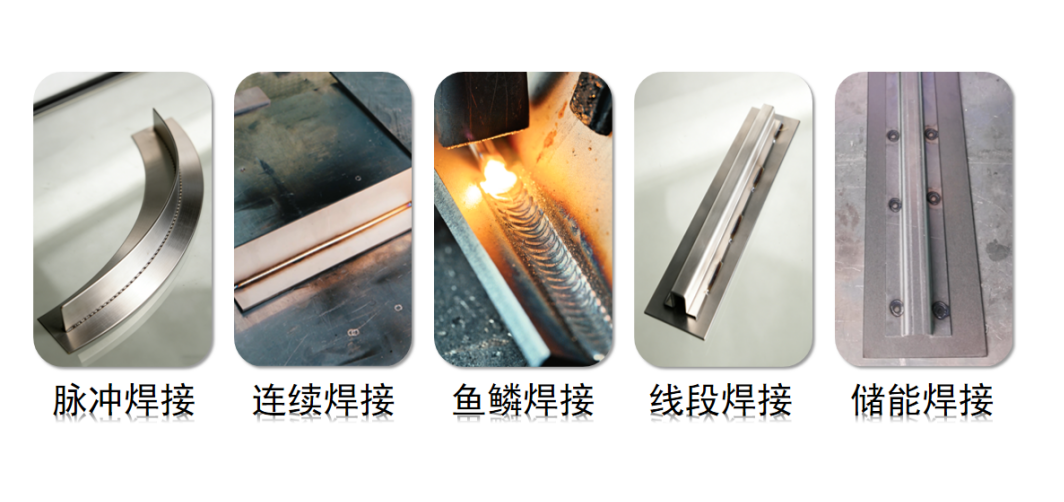
The second-generation M4 air-cooled dual-swing laser welding machine integrates five welding modes: pulse, continuous, fish scale, line segment, and riveting. Equipped with a 1600W self-developed laser, it eliminates the need for an external chiller. The machine features a highly lightweight design and is paired with the BWS20 dual-swing handheld welding torch, weighing only 0.4kg. This significantly reduces fatigue during prolonged operation and allows for flexible and convenient movement within the workshop, perfectly adapting to various welding scenarios.
Chapter 3 Future Trends and Strategic Recommendations
3.1 Market Trend Forecast (2026-2030)
Continued Expansion: The global market is projected to grow at a CAGR of 5%-14.3%, potentially reaching US$13.89 billion.
Regional Reshaping: The Asia-Pacific region's share of intra-regional trade will rise to 49% by 2025, accelerating the overseas expansion of Chinese brands.
Accelerated Technological Integration: The integration of AI+IoT into welding systems is continuously improving, with robot welding adoption increasing by 21%.
Expanding Application Scenarios: Emerging scenarios such as hydrogen storage tank welding and spacecraft structural components will bring incremental demand.
6.2 Pathways to Enhance Brand Competitiveness
For leading comprehensive companies (such as Han's Laser and Qilin Laser): Shift from "scale-driven" to "technology-driven" growth, increasing investment in process verification in the high-end automotive and aerospace sectors; strengthen overseas localization service capabilities to break through brand barriers in the high-end European and American markets; establish dedicated R&D teams in niche markets such as plastic welding to avoid dilution of competitiveness.
For technology leaders (such as Trumpf (Germany) and IPG (USA): While maintaining technological advantages, lower the entry barrier to the mid-range market through modular and standardized products; deepen cooperation with customers in China and the Asia-Pacific region to adapt to the market characteristics of rapid iteration and strong demand for customization; and develop AI process optimization and remote operation and maintenance services as new profit growth points, transforming from equipment sales to subscription services.
Conclusion
In the next five years, with the deep integration of technologies such as AI, composite light sources, and flexible manufacturing, laser welding equipment will evolve from a production tool to a node in intelligent manufacturing. Whether it's the precision-oriented approach in Europe, the comprehensive approach in China, or the specialized approach in each niche market, only by continuously building barriers in the three dimensions of technological depth, scenario understanding, and service response can they gain an advantage in the next round of competition in the global laser welding machine market.
